
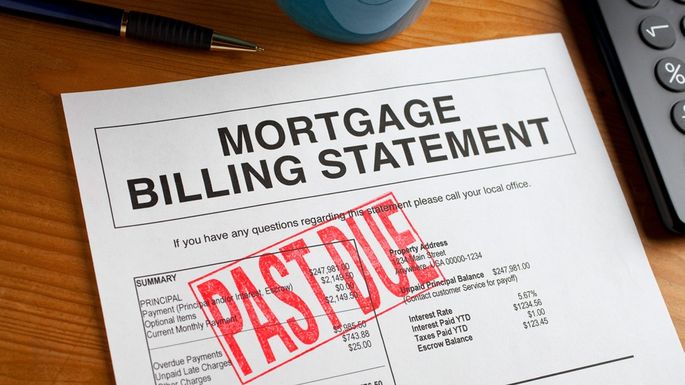
Being behind on a mortgage is one of the most stressful financial situations a homeowner can face. The notices pile up. The calls from the bank start. And the fear of losing the house — which for most families is their biggest financial asset and their home — can make it hard to think clearly about what to actually do.
Here is the thing: there are usually more options than it feels like, and the situation is almost never as immediately dire as the bank's communications make it sound. Understanding the timeline and your actual options is the first step toward making a good decision.
How foreclosure actually works
Most homeowners imagine that missing a few payments means the bank will immediately take the house. That is not how it works. Foreclosure is a legal process that takes time — often many months, sometimes over a year.
The general timeline looks something like this, though it varies significantly by state:
- 1–3 missed payments: Late fees and calls from the servicer. Credit score starts to take hits. No legal action yet.
- 3–6 months behind: The servicer sends a "Notice of Default" or similar document formally beginning the pre-foreclosure process.
- After the notice period: The lender can schedule a foreclosure sale. In judicial states (like Kentucky), this requires a court proceeding that adds additional time. In non-judicial states, it moves faster.
- Right of redemption: Many states allow homeowners to "redeem" the property by paying off the full debt even after a foreclosure sale, for a limited period afterward.
The point of walking through this timeline is not to encourage delay — it is to make clear that you have real time to make informed decisions rather than panicked ones.
Option 1: Talk to your lender
This is the first call to make, and most homeowners avoid it because the conversation feels frightening. But lenders generally do not want to foreclose — foreclosure is expensive and slow for them too.
Several options your lender may offer include:
Forbearance. A temporary pause or reduction of payments while you get back on your feet, with the missed amount added to the end of the loan or repaid over time.
Loan modification. A permanent change to the terms of the loan — lower interest rate, extended term, or restructured payments — to make it more manageable going forward.
Repayment plan. If you can resume regular payments, the lender may let you spread the missed amount over several months rather than requiring it all at once.
Option 2: Sell the house
If the loan modification path is not viable — either because you cannot qualify or because the underlying financial situation has changed permanently — selling the house before the foreclosure completes is almost always better than letting foreclosure happen.
Here is why the math favors selling:
- A completed foreclosure stays on your credit report for seven years and significantly damages your credit score — limiting your ability to rent, buy another home, or get financing for years afterward.
- A voluntary sale, even a quick one, gives you control over the process and preserves more equity if there is any.
- Depending on how far behind you are and the property's value, there may still be equity available to you after the mortgage is paid off at closing.
The traditional listing route takes three to six months and may not be fast enough if a foreclosure sale is approaching. A cash sale can close in two to three weeks.
Option 3: Short sale
If you owe more on the mortgage than the house is worth (being "underwater"), a short sale is when the lender agrees to accept less than the full mortgage balance as payment in full. This requires lender approval and can take a long time, but it avoids foreclosure and is generally better for your credit than a completed foreclosure.
Short sales are complex enough that working with a real estate attorney or a real estate professional experienced in short sales is strongly advisable.
Option 4: Deed in lieu of foreclosure
You transfer ownership of the property back to the lender voluntarily in exchange for being released from the mortgage obligation. This avoids the formal foreclosure process and is less damaging to credit than foreclosure, though more damaging than a regular sale. Lenders do not always accept this — they need to agree that there are no other liens on the property and that the property has no title issues.
Whatever option you choose, doing something is better than doing nothing. The longer a mortgage goes delinquent, the fewer options remain and the higher the costs — in fees, in credit damage, and in personal stress.
The most important thing
Get information early. The single biggest mistake homeowners in this situation make is avoiding the problem — not opening the mail, not answering the bank's calls, not researching options — until the foreclosure process is so far along that the good options are gone.
A HUD-approved housing counselor can give you free, independent advice about your specific situation. You can find one at consumerfinance.gov or by calling the CFPB's helpline. They have no incentive to push you toward any particular outcome — they are genuinely there to help you understand your options.
If selling is something you are weighing, we are happy to give you a straightforward cash offer with no obligation. It costs nothing and gives you a concrete number to factor into your thinking.
Get a cash offer — no obligation